
Sources for Green County Former Owners
Different sources cover different eras. The county publishes no cutoff date for its online Tapestry index. Its stated 15-year public span applies only to Treasurer's records. Monroe's 1930 city directory can pair an old street address with a name. Newspapers and census microfilm add household detail. Plats and survey records keep the same parcel in view when lots or addresses change. Generate a name from one source. Then confirm the transfer in the deed chain or a probate record.
| Source | Years It Covers | Where Held | What It Shows |
|---|---|---|---|
| Tapestry deed index | Online start year not stated | Register of Deeds / Tapestry | Recorded parties and instruments available in the index |
| Paper deed books and indexes | Coverage and first year not stated | Register of Deeds counter or vault | Older conveyances when the online index ends |
| Plats and surveys | Current digital collection; older span not stated | County ArcGIS, ROD, UW and archives | Lot, block, and land geometry |
| Local directories and tax history | 1930 directory identified; Treasurer states at least 15 years of property information | Monroe Library, GCGS, Treasurer | Address, occupant, and assessment clues |
Begin with the newest deed for the parcel rather than a presumed former occupant. If the chain reaches an uncertain older address, test the name-and-address connection against the 1930 directory, newspapers, or census. The legal description, plat, and monument records anchor the land's identity throughout. For exact deed-book coverage, additional directory years, or archived tax-roll dates, ask the office directly.
Reverse the Green County Chain One Grantor at a Time
Open with the most recent grantee deed for the parcel. Record the grantor, grantee, recording date, and document number or book/page reference. Note the full legal description too. Now search that grantor as an earlier grantee. Compare each land description before stepping further back. Stop when the index ends. Switch methods when a parent tract splits or the legal description shifts. A tax deed or sheriff's deed can interrupt it. So can a probate order, correction, or survivorship instrument. The chain is a set of linked documents, not one continuous online click path.
- Find the latest deed and capture both party roles and the legal description.
- Search the grantor as a prior grantee under the same land description.
- Check for intervening plats, easements, mortgages, releases, splits, or corrections.
- Ask the Register of Deeds for the paper-series route when the online index stops.
- Grantor / grantee
- The party conveying an interest and the party receiving it.
- Chain of title
- The ordered sequence of recorded transfers tied to one parcel.
- Legal description
- The land identity used in a deed, even when the address later changes.
Green County's Online Deed Start Year Is Unknown
The Register of Deeds page states no earliest year for Tapestry. It lists no image cutover date. It names no first deed-book year. No official report describes a deed-series loss or courthouse fire in Green County history. Nothing in the record explains a gap. So do not invent a cutoff. And do not claim every historic instrument survived. Instead, ask whether a given year is searchable online, indexed in paper, or stored in a book or microfilm series. The Treasurer's separate 15-year statement covers property information, not the reach of the county's deed records. It answers a different question.
Lawful use. Use past-owner records for property history, title research, and due diligence. Do not use them to track, threaten, or harass a living person.
Use Green County Tapestry for the Recorded Steps
Tapestry serves as Green County's online starting point for recorded documents. A deed result may show only an index reference without a full image. The county does not publish the oldest year, image price, or account rules there. Write down the party name exactly as indexed. Note the party role, date, legal description, parcel, and any prior or following reference. Search the current grantee backward as a grantor. Then search that name as a grantee. If a spelling variant or middle initial appears, repeat the search and compare the land description before linking two entries. The Register of Deeds' Tapestry index is the county's online document search route.
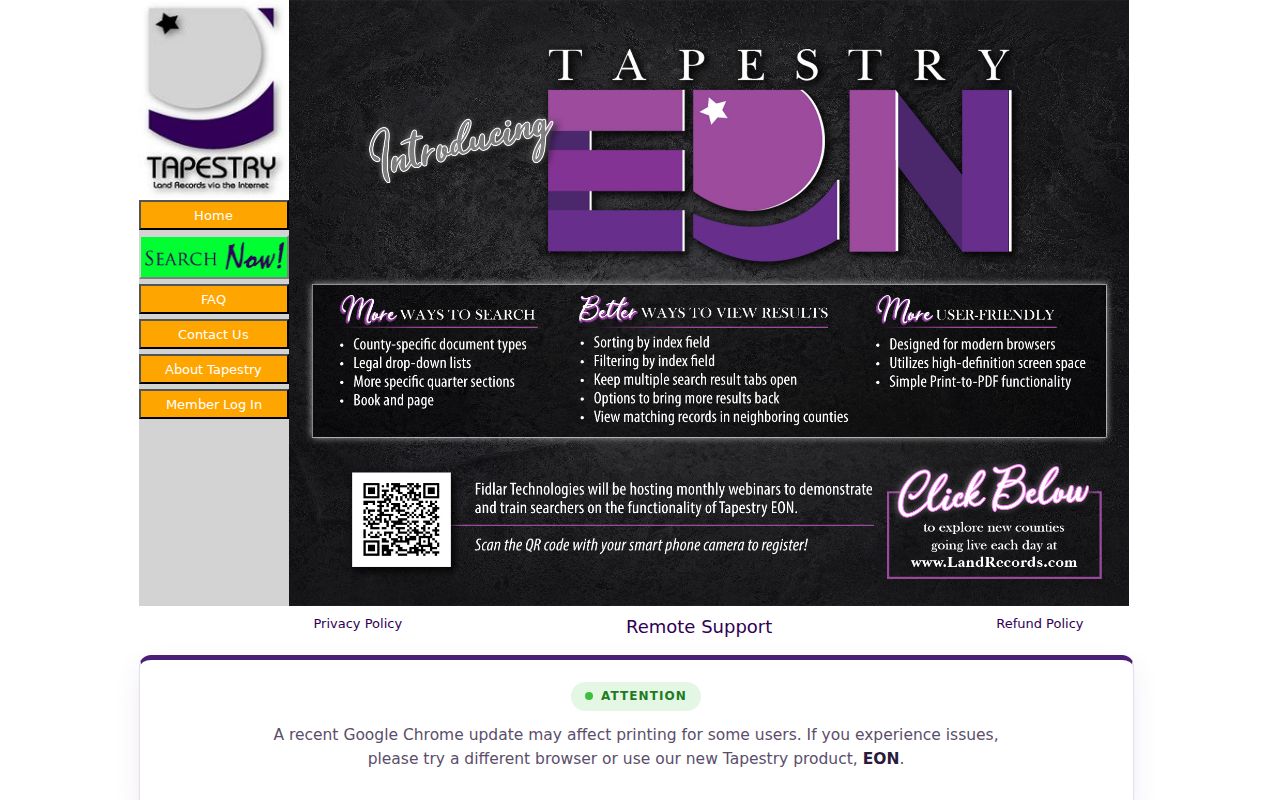
The index begins the chain; ask the Register of Deeds for an image or an older paper record whenever the online trail runs short.
Probate Can Break a Green County Owner Chain
A prior owner's death can move land in several ways. The route may be survivorship or a personal-representative deed. It could also be a transfer-on-death instrument, a court order, or an estate conveyance. The death certificate itself is not a deed. Search Wisconsin Circuit Court Access for a probate case. Identify the personal representative or heirs named in the file. Then find the instrument that changed the land record. Vital records carry different eligibility rules than property deeds. Green County's local application requires a completed form and identification for mailed requests. A marriage or death record may support a family connection. The probate order or recorded conveyance establishes the property step. When a sequence shows no sale, check for a life estate, survivorship, or estate administration document. Do this before assuming the chain is incomplete.
Monroe's 1930 Directory Supplies Past-Owner Clues
The Monroe Public Library identifies a 1930 street directory. It also holds historic newspaper and census microfilm, cemetery directories, yearbooks, photographs, and local history books. A directory entry can tie an old street address to an occupant. It may also show an occupation, household notation, or owner/renter mark. The library does not publish its abbreviation key or other directory years. So preserve the page and year you use. Never assume an entry proves title ownership. Search nearby entries for street-numbering clues. Then compare the address with the parcel's legal description and deed chain. Monroe Public Library's local-history page describes the directory and archival collections.
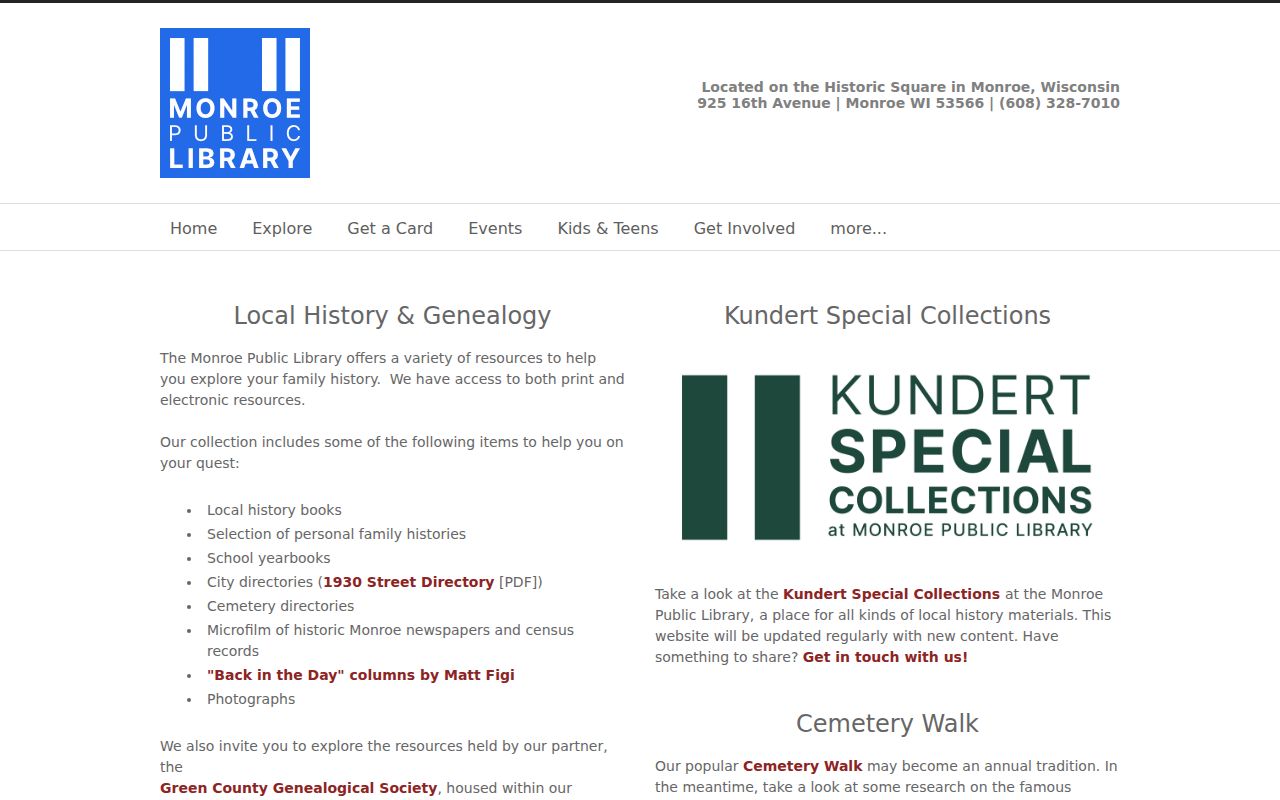
The directory supplies an earlier name and address worth testing against the recorded land instruments.
Green County Plats Keep the Same Land in View
Green County land keeps its identity. Street numbers and parcel labels shift. A rural deed may lean on section, township, range, and metes-and-bounds calls, while an older urban deed points to a subdivision lot and block. Green County links Digital Plats of Survey and public PLSS tools for tracing that framework. The earliest survey material sits elsewhere. UW and the Wisconsin Historical Society hold the original survey-era resources.
Watch for splits. A parent tract may divide into new parcels, so follow the recorded plat or certified survey map that created the later description. A tax parcel alone rarely carries the full chain. When an address no longer matches, use the legal description to find the parcel and the monument and plat records, since a map points to source documents but never decides the boundary.
Tax Deeds and Sheriff Sales Changed the Chain
Green County's published tax-deed examples list the minimum bid and the final sale price as separate facts. That distinction matters. An earlier tax sale can explain why a deed looks nothing like an ordinary private sale. Sheriff's sales follow a court sequence. Locate the case in WCCA, review the sale notice and the confirmation, then find the later recorded conveyance. The sheriff sets terms for third-party bidders. They bring ten percent of the bid in cash or bank-certified funds and pay the balance after the confirmation hearing, terms that describe the process rather than any guarantee of later ownership or title.
The terms cover the sale itself. Search the grantor and grantee names on the instrument. Then compare its legal description with the prior deed, and if the tax sale caused a parcel change, check the original and replacement parcel references.
Green County Court Cases Explain Disputed Transfers
Foreclosure, probate, judgment, and quiet-title cases often explain a puzzling transfer. They also explain why parties dispute one.
Wisconsin Circuit Court Access provides the state case-search route. The docket can identify orders, parties, and hearing events. Still, a court result never replaces the instrument recorded with the Register of Deeds. Match the case number to the parcel's legal description. Then confirm the resulting deed or order in the land record itself.
Case documents may explain the transfer. Verify each property step against the instrument recorded with the county. PACER's federal case search covers federal dockets and explains its access process.
Federal cases add context. They may illuminate a party or a lien, but they never replace Green County deed and parcel records.
Green County Genealogy Sources Point Back to Deeds
The Green County Genealogical Society runs a research center holding obituary and newspaper clippings, cemetery transcriptions, township histories, family genealogies, and neighboring-county material. That is a deep bench. After a 2024 renovation, it reopened in the lower level of Monroe Public Library, lists Tuesday hours, and takes other visits by appointment. These files can explain a family name, a death, or an old community reference tangled in a land chain.
Write down the source and date. Then return to WCCA, probate, and the Register of Deeds to verify the actual transfer. Family history suggests who may have inherited land. It is not the official conveyance.
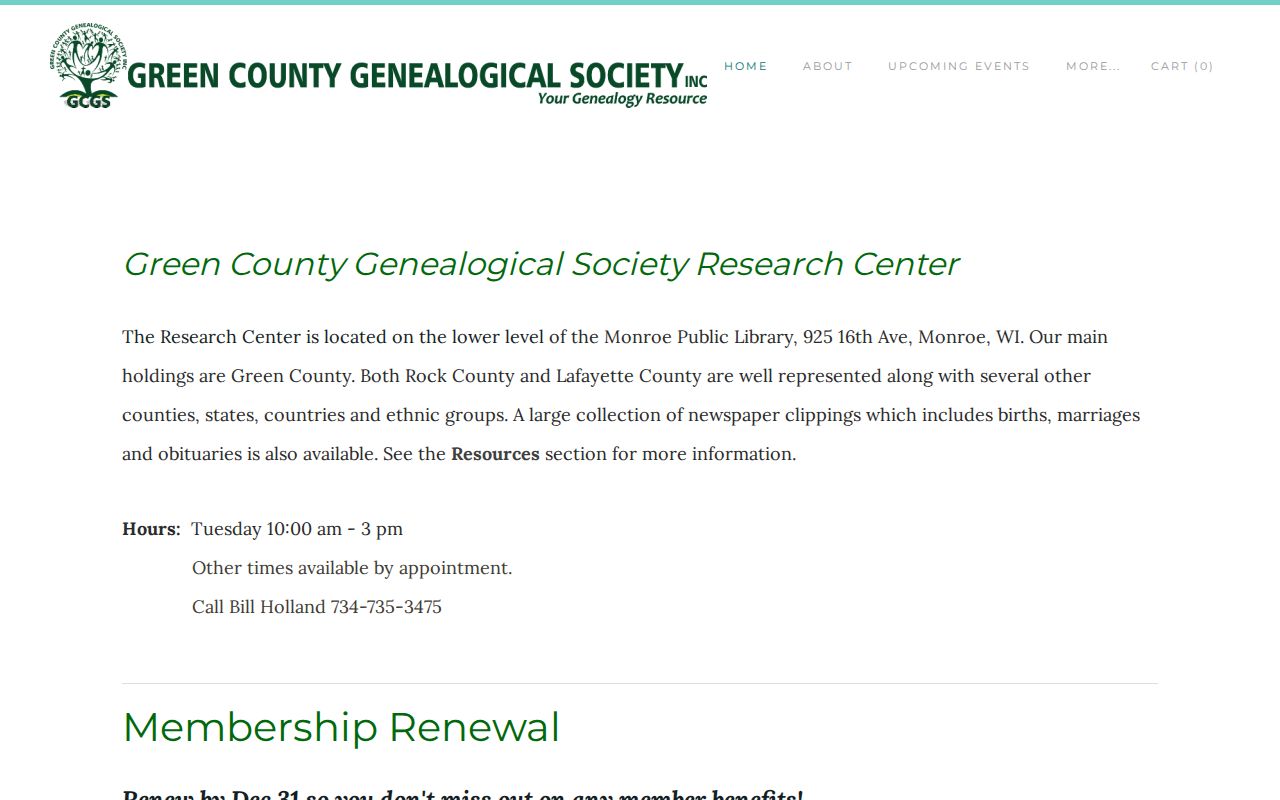
Its indexes can surface names to search in county deeds and probate files.