
Find Who Owns a Green County Parcel
Finding the owner is a sequence, not one search. A situs address or an existing parcel number gets you started. Ascent holds the county's owner, assessment, and tax record. Then carry the name and legal description over to Tapestry. The recorded deed is the confirmation step. The tax roll can lag behind a transfer. If the deed names an entity, Wisconsin DFI shows the legal name and registered agent. That entity search still proves nothing about who owns the land itself. Keep every step tied to a single parcel.
- Find the parcel in Ascent by a search mode the live portal offers.
- Write down the owner name, parcel number, municipality, and legal description.
- Search Tapestry for the latest deed and compare grantee, grantor, and vesting language.
- Check DFI for a company name when the deed lists an LLC or corporation.
Green County Ownership Records Have Different Roles
Each source plays a different role. The Ascent roll is the practical place to find the owner tied to a parcel. Tapestry indexes the Register of Deeds' recorded documents. GIS confirms the parcel shape and jurisdiction match the address. A court docket can reveal a foreclosure, quiet-title action, or estate dispute. Yet it is no deed index. Compare these records by parcel number, party names, and legal description. Do not rely on a similar street address.
| Source | Owner Info It Gives | Access |
|---|---|---|
| Ascent owner roll | Owner name tied to a parcel for assessment and tax purposes | County-linked public portal; exact result fields not captured |
| Register of Deeds | Grantee and vesting in the recorded instrument | Tapestry, counter, or records request |
| Wisconsin DFI | Entity name, status, and registered-agent records | State corporate-record search |
| GIS Data Viewer | Parcel location, zoning, and taxing-jurisdiction context | Public map; verify owner in Ascent |
The owner of record is simply the name in a public title or tax record. It does not list occupants. A mailing address may be a post-office box. It can also be a lender, trustee, estate representative, or an entirely different residence. Never read a mailing destination as proof that someone lives at the property.
Limits of a Green County Owner Lookup
A Green County owner lookup names a recorded or assessed owner. It cannot settle a title question or prove occupancy. The newest deed can outrun the assessment roll. Life estates and survivorship clauses must be read in the full instrument. Wisconsin Safe at Home participants can use substitute addresses. Other protected details may be withheld. Some addresses simply will not appear. Never combine records to defeat a redaction or expose a protected person.
Lawful use. Property records can support due diligence, civic review, and property history. Do not use owner information to stalk, threaten, or harass anyone, and do not seek to bypass a protected-address program.
Green County's Owner Field Needs a Deed Check
Green County describes Ascent as a search tool for property ownership, assessment, and tax information. The county publishes no standard refresh cycle for it. Treat any owner name there as a tax-roll clue. Take that person or entity to the Register of Deeds. Search for the latest deed naming them as grantee. Then compare the parcel and legal description. A transfer can be recorded before the tax roll changes. The current owner record examines the present roll entry in depth, while the full route runs from an address to recorded proof of ownership.
Green County Deeds Can Name Trusts and Estates
Deeds do not always name a person. An LLC, corporation, trustee, personal representative, or estate can hold title instead. Search the name exactly as written. Punctuation, initials, and role all matter. Wisconsin DFI's Corporate Records Search confirms a company's legal identity and registered agent. It shows no land ownership on its own. The recorded deed supplies that link. Trusts may be indexed under the trustee or trust name. An estate may appear under the decedent or personal representative until a transfer is recorded. A life estate or survivorship interest needs the full vesting language. Do not rely on an owner-name field alone.
If the name changes across instruments, keep each form. Match the legal description instead of trusting similar-looking names.
Wisconsin DFI's corporate-record search is the state route for checking an LLC or corporation name.
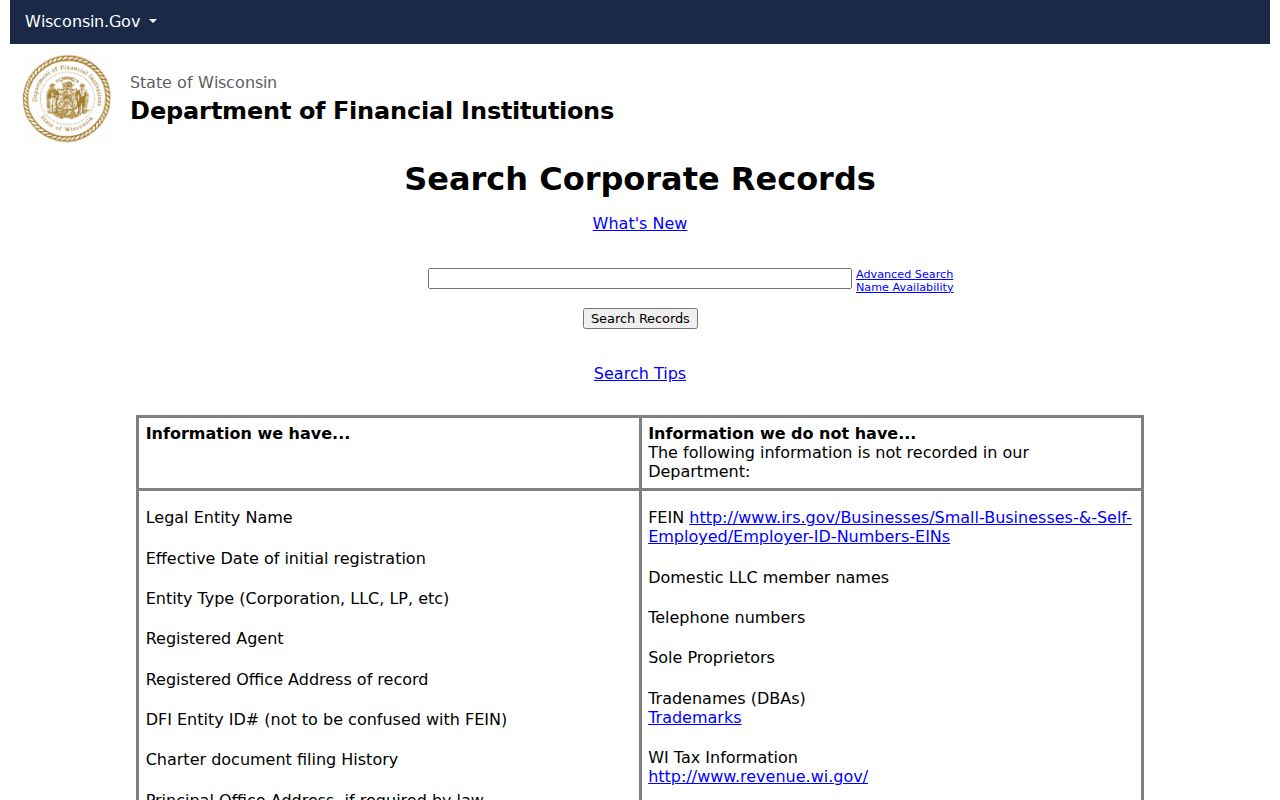
Use the entity result to clarify the deed party's name. Then return to the land instrument for proof of parcel ownership.
Green County Situs and Mailing Addresses Differ
A situs address locates the land, while the mailing address receives the tax correspondence. A Green County tax bill may go to a post-office box, lender, servicer, trustee, or an entirely different home. The mailing field helps you pick the parcel. It is not evidence of who lives there. Compare the parcel number, municipality, and legal description across Ascent, GIS, and Tapestry. If an address fails, strip unit text, try a directional or suffix variant, or borrow a parcel number from another official record.
Postal labels cross jurisdiction lines. A Monroe mailing address may sit in the Town of Monroe, and a Brodhead address can even fall in Rock County. Confirm county and taxing district first. Do that before asking an office for ownership records.
Green County Ownership Search Has Several Access Routes
Ascent is the online starting point for Green County ownership, assessment, and tax details. The Register of Deeds connects users to Tapestry for recorded documents. It also serves walk-ups at the Monroe counter. The county also notes that its Treasurer keeps public property information on hand. The office holds at least 15 years of it. Staff there can field questions about title transfers, parcel splits, tax bills, and payment history. When the portal comes up empty, ask the custodian directly. The record may sit in an older paper index or a different record series. Wisconsin's Public Records Law, Wis. Stat. §§19.31–19.39, guarantees the right to inspect and copy public records subject to stated exceptions. A precise request helps staff route the question. Nobody can be asked to build a fresh ownership report from scratch.
Green County's Fraud Alert Watches a Recorded Name
Green County's Register of Deeds offers a free Property Fraud Alert notification service. It flags new recordings tied to a monitored name. It cannot stop fraud, though, or judge whether an instrument is valid. When an alert arrives, compare the document number and party names against the official record. Then contact the county office using its published information. Think of the alert as a monitor that follows a property search. It is not an ownership database, and it is not a title service. Always verify the recorded instrument directly before acting on anything. The Green County Property Fraud Alert page explains enrollment and the notice service.
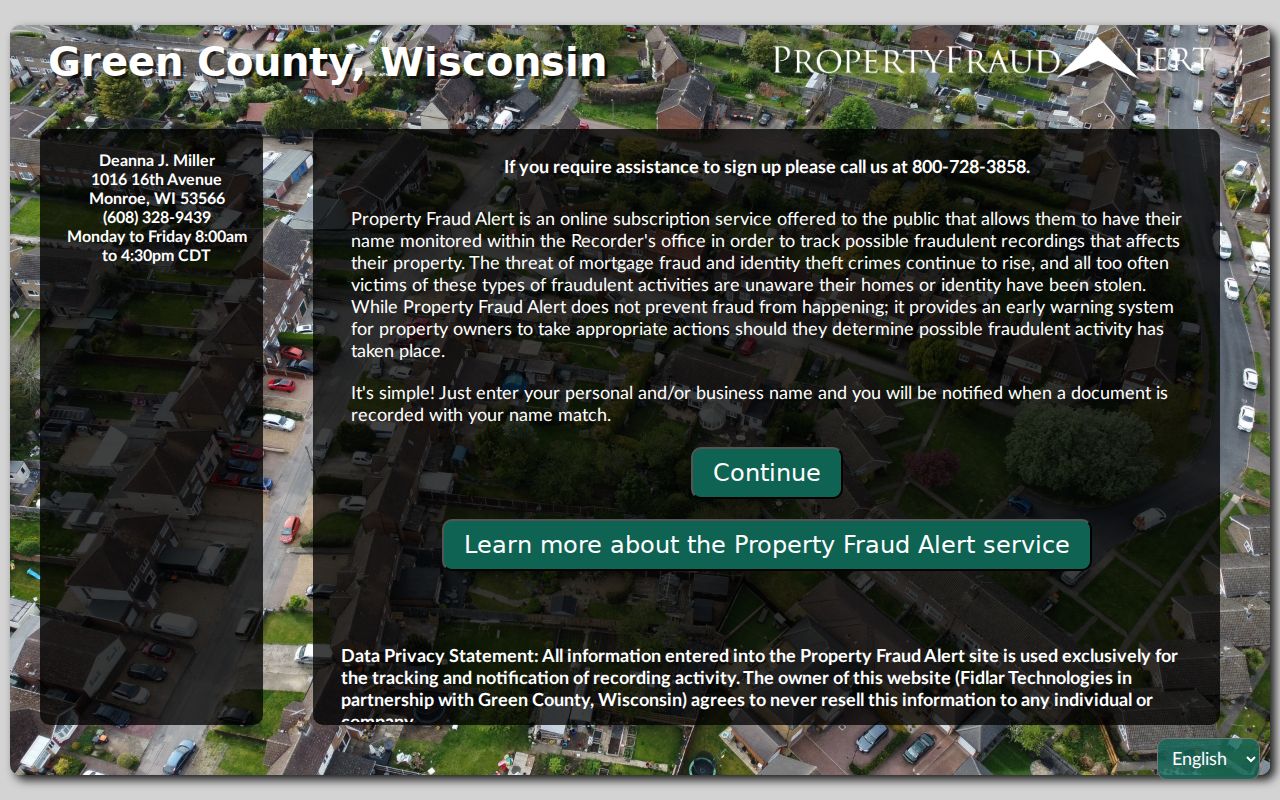
An alert is only a signal. It points back to a public filing that still needs to be read carefully and matched to the correct parcel.
Wisconsin Voter Lookup Is Not a Property Owner Search
Wisconsin MyVote lets a voter look up election information by address. It can also find a voter record. That is all it does. It is not a parcel-owner database. A voter name or polling place cannot establish who owns the land at that address. A ballot detail cannot do so either. For a real property question, use Ascent for Green County ownership and assessment details. Use the Register of Deeds for the recorded instrument. Resist the urge to merge unrelated personal records into an ownership guess. Wisconsin MyVote's address and voter-record lookup is an election service, not a property-record source.
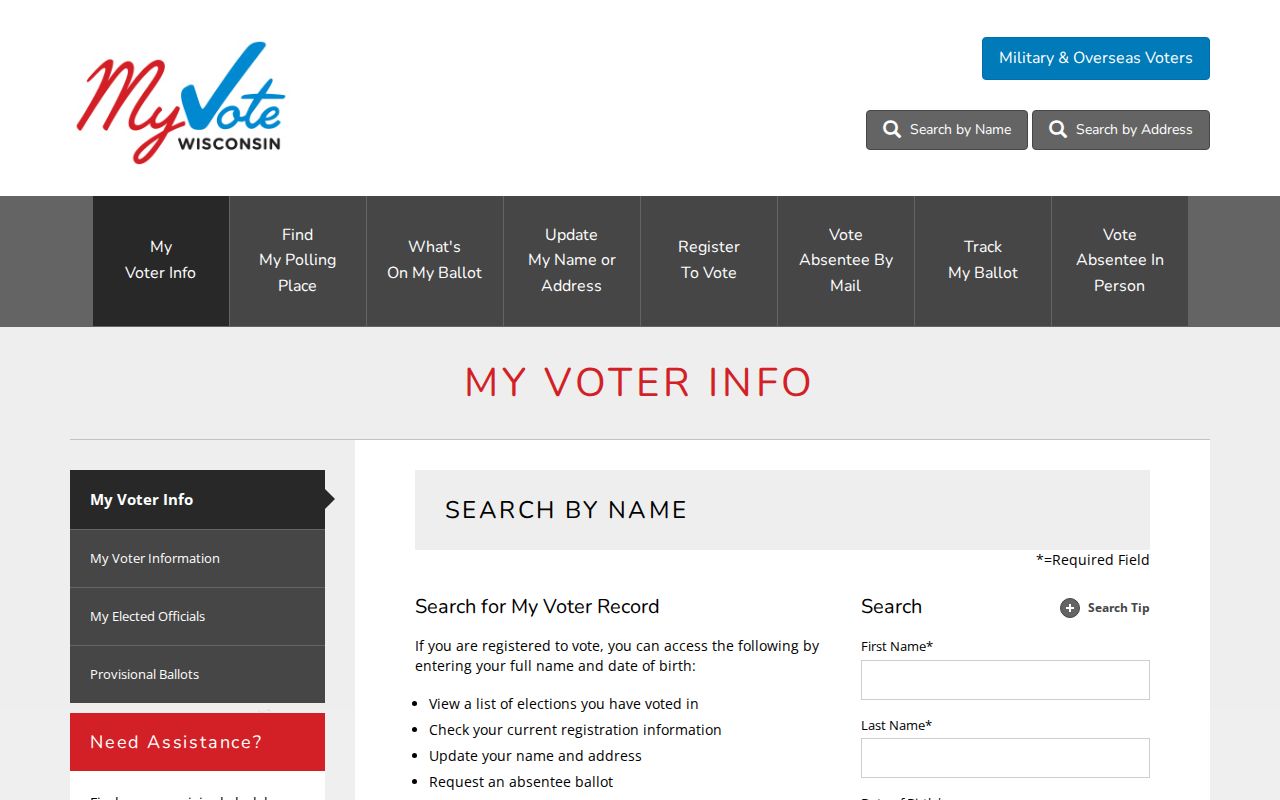
Use it only for its stated election purpose.
Green County Entity Names Need a Separate Check
When Ascent or a deed names a limited liability company or corporation, copy the legal name exactly. Dig further from there. Wisconsin DFI's corporate search can confirm a registered entity name. It may also show filing or registered-agent details. It cannot identify which parcel the entity owns. Nor does it prove a manager owns the company or reveal who benefits from a trust. The property link still comes from the grantee language and legal description in the recorded deed.
Watch for names that look alike but are not interchangeable. A holding company may carry punctuation or a suffix that differs from the business sign on the building. A trust may be titled under a trustee. Search name variants only to locate a candidate filing. Then compare the entity identifier and filing status. A mailing address, registered agent, voter file, or commercial directory is no substitute for the actual deed. Nor are they a substitute for the current custodian record.
For an individual owner name, note whether the person appears as grantor or grantee. Record the date too. A recent deed may show the transfer while an older tax roll still lists a prior name. The roll may also carry a mailing contact who is not the owner of record. Ask the Register of Deeds about the instrument and the Treasurer about parcel or bill fields. Each office confirms its own record, but neither certifies an overall title conclusion.